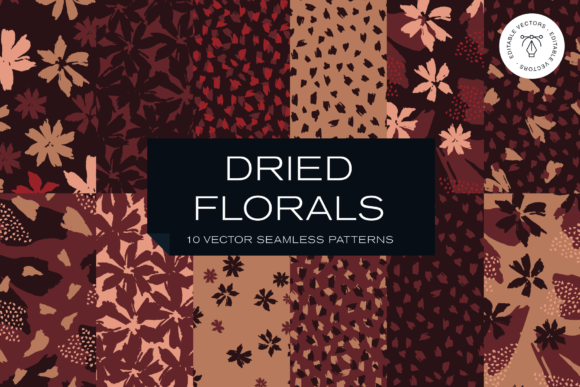
Abstract Floral: Strategic Design for Autumn-Inspired Branding and Visual Identity
In the landscape of visual communication, trends often cycle with predictable regularity, yet the demand for authenticity remains constant. Abstract Floral design represents a convergence of organic inspiration and digital precision, offering a versatile tool for creators who seek to balance aesthetic warmth with professional utility. This approach is not merely about decorating a surface; it is about establishing a visual language that resonates with audiences on an emotional level while maintaining the structural integrity required for scalable branding.
The introduction of dried florals and pressed flower motifs into modern pattern collections signals a shift toward textures that feel tactile and grounded. For entrepreneurs, marketers, and designers, understanding how to leverage these elements can significantly enhance brand positioning, particularly in sectors where trust, comfort, and refinement are paramount. By utilizing vector-based abstract floral patterns, professionals can achieve a cohesive look across diverse mediums, from packaging to digital interfaces, without sacrificing quality or consistency.
The Strategic Value of Earthy, Organic Aesthetics
Why do abstract floral patterns hold such enduring appeal in commercial design? The answer lies in their psychological impact. Warm, earthy tones and organic shapes evoke a sense of stability and natural harmony. In a digital age characterized by rapid change and information overload, visuals that suggest calmness and continuity can serve as a powerful differentiator. When a brand incorporates Abstract Floral elements inspired by autumn and pressed flowers, it subtly communicates values of sustainability, thoughtfulness, and attention to detail.
This aesthetic is particularly effective for businesses aiming to project a refined, feminine, or artisanal identity. However, its utility extends far beyond these niches. The versatility of well-designed vector patterns allows them to adapt to various contexts. Whether used in corporate stationery to soften a rigid brand identity or in hospitality interiors to create a welcoming atmosphere, these patterns function as a flexible design asset. The key is intentionality. Rather than applying floral motifs indiscriminately, strategic designers use them to reinforce specific brand narratives.
Consider the role of color psychology in this context. A trendy palette featuring warm and earthy tones does more than follow current design trends; it aligns with consumer preferences for authenticity. These colors are less aggressive than primary hues and more inviting than stark monochromes. They facilitate a connection with the viewer, making the brand appear approachable yet sophisticated. For decision-makers, this translates to improved customer experience and potentially higher engagement rates across touchpoints.
Technical Precision Meets Creative Freedom
The effectiveness of any design asset depends largely on its technical foundation. Abstract Floral patterns that are individually drawn, vectorized, and seamlessly tiled offer distinct advantages over raster-based or pre-made clipart solutions. Vector formats, such as .EPS and .AI, ensure that designs remain crisp and clear regardless of scale. This is critical for large-scale printing applications, such as textile manufacturing, wallpaper, or expansive retail displays, where pixelation can undermine perceived quality.
The ability to edit colors and sizes with just a few clicks transforms a static pattern into a dynamic system. This customization capability allows brands to maintain consistency while adapting to seasonal campaigns or specific product lines. For instance, a company might use a muted, earthy version of a floral pattern for its core branding but switch to a brighter, more vibrant variation for a summer promotion. This flexibility supports long-term brand coherence without requiring the creation of entirely new assets for every initiative.
Furthermore, seamless tiling ensures that patterns can be repeated indefinitely without visible breaks or interruptions. This technical feature is essential for creating immersive backgrounds in web design or continuous prints in packaging. When patterns are constructed with precision, they reduce the workload for production teams and minimize the risk of errors during the printing process. For freelancers and small business owners, this efficiency translates to cost savings and faster turnaround times.
Practical Applications Across Industries
Understanding where and how to apply Abstract Floral patterns is crucial for maximizing their impact. Below are several strategic use cases that demonstrate the versatility of these design elements:
- Packaging Design: In the retail sector, packaging serves as the first physical interaction between a brand and a consumer. Floral patterns can elevate simple boxes or bags into premium experiences. Using delicate, pressed-flower motifs on eco-friendly packaging reinforces a commitment to nature and sustainability, appealing to environmentally conscious buyers.
- Textiles and Home Ware: For interior designers and home goods manufacturers, these patterns offer a way to introduce texture and warmth into living spaces. Whether applied to cushions, curtains, or bedding, abstract florals create a cozy, inviting atmosphere that aligns with the growing trend of biophilic design.
- Digital Backgrounds and Web Design: On websites and social media platforms, subtle floral patterns can serve as non-intrusive backgrounds that add depth without distracting from content. This is particularly useful for blogs, portfolios, and e-commerce sites where readability and user experience are priorities.
- Stationery and Branding Materials: Business cards, letterheads, and invoices benefit from the refined touch of abstract florals. These elements can soften the formal nature of corporate communications, making them feel more personal and engaging.
Each application requires a slightly different approach. For digital use, file size and loading speed must be considered, while for print, color accuracy and resolution are paramount. By selecting high-quality vector files, designers can ensure that their assets perform optimally across all these channels.
Risks of Unintentional Design Choices
While Abstract Floral patterns offer significant benefits, their misuse can lead to diluted brand messaging or visual clutter. One common risk is over-application. When patterns are too dense or complex, they can overwhelm the viewer and obscure important information. This is particularly problematic in packaging and web design, where clarity is essential for conversion and usability.
Another potential pitfall is mismatched context. Applying a delicate, feminine floral pattern to a brand that positions itself as rugged or industrial may create cognitive dissonance for the audience. Consistency between visual style and brand voice is critical. Before integrating floral elements, decision-makers should evaluate whether the aesthetic aligns with their core values and target audience expectations.
Additionally, relying on generic or poorly constructed patterns can harm perceived professionalism. Low-resolution images or non-seamless tiles can result in visible artifacts that detract from the overall quality of the design. Investing in high-quality, vector-based assets mitigates these risks and ensures a polished final product.
Planning for Long-Term Visual Cohesion
To use Abstract Floral patterns effectively, organizations should adopt a strategic planning approach. This begins with defining clear goals for visual identity. What emotions should the brand evoke? What messages should the design convey? Once these objectives are established, designers can select patterns that support them.
It is also advisable to create a style guide that outlines how and where floral patterns should be used. This document should specify color variations, scale preferences, and appropriate contexts for application. By standardizing these elements, brands can ensure consistency across all touchpoints, reinforcing recognition and trust over time.
Regular evaluation is another key component of successful implementation. As market trends evolve and consumer preferences shift, brands should assess whether their visual assets remain relevant. The customizable nature of vector patterns allows for easy updates, enabling organizations to refresh their look without undergoing a complete rebrand.
Making Informed Decisions About Design Assets
Ultimately, the value of Abstract Floral patterns lies in their ability to enhance communication and connection. For entrepreneurs and creators, these assets are not just decorative elements; they are tools for storytelling and brand building. By choosing high-quality, versatile designs and applying them with intention, professionals can create visually compelling experiences that resonate with their audiences.
When selecting pattern collections, consider the technical specifications and customization options available. Files that include multiple formats, such as .EPS, .AI, and .JPG, provide greater flexibility for various projects. Additionally, collections that offer multiple color variations allow for broader creative exploration without additional design costs.
In conclusion, the strategic use of abstract floral and dried floral patterns can significantly elevate brand presence and customer engagement. By focusing on quality, consistency, and contextual relevance, decision-makers can leverage these design elements to achieve lasting results. Whether used in packaging, textiles, or digital media, these patterns offer a timeless yet contemporary aesthetic that supports both immediate goals and long-term brand equity.