Integrating Business Marketing Social Media Posts into Your Digital Workflow
In the fast-paced ecosystem of digital promotion, consistency is not merely a virtue; it is a structural necessity. For marketing agencies, small business owners, and independent creators, the pressure to produce high-quality visual content daily can quickly lead to creative burnout or operational bottlenecks. This is where the strategic implementation of Business Marketing Social Media Posts templates becomes a critical component of a sustainable workflow. These are not just static images; they are foundational assets designed to streamline the production pipeline, ensuring that brand messaging remains cohesive while significantly reducing the time spent on repetitive design tasks.
Understanding how to effectively integrate these customizable design elements into your broader marketing strategy requires a shift in perspective. Instead of viewing social media graphics as one-off creations, consider them part of a modular system. By adopting a library of clean, modern, and editable templates, you create a framework that supports rapid deployment without sacrificing aesthetic quality. This approach allows professionals to focus less on the mechanics of layout and more on the substance of their message, ultimately driving better engagement and conversion rates.
The Role of Templates in Strategic Planning
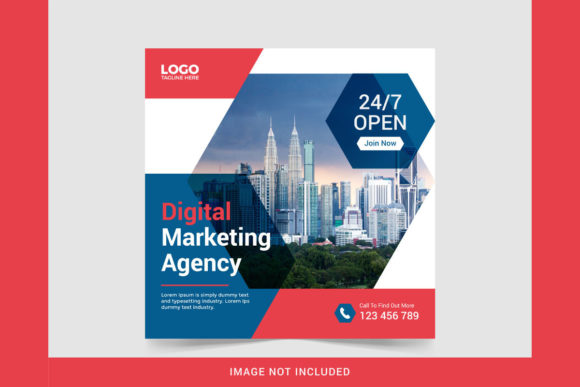
Before a single post is published, successful marketing campaigns rely on rigorous planning. Incorporating Business Marketing Social Media Posts into this preparatory phase ensures that visual identity aligns with campaign goals from the outset. When you utilize templates designed with specific dimensions—such as the standard 1080 x 1080 pixels for square formats—you eliminate the guesswork associated with platform requirements. This precision is vital for maintaining a professional appearance across various channels, including Instagram, Facebook, and LinkedIn.
The preparation stage also involves assessing compatibility with your existing brand guidelines. High-quality templates, such as those provided in Adobe Illustrator (AI) and EPS formats, offer the flexibility needed to match your specific color palette and typography. Because these files are vector-based and created at 300 DPI resolution, they provide a level of scalability and clarity that raster images often lack. This technical foundation allows marketers to adjust elements without losing quality, ensuring that every post reflects the brand’s standards regardless of where it is displayed.
Furthermore, organizing these assets before launching a campaign facilitates better collaboration among team members. When designers, copywriters, and social media managers have access to a centralized library of editable templates, the handoff process becomes seamless. Copy can be drafted directly into the designated text areas, and visuals can be swapped out efficiently, reducing the friction that often occurs during the creative review process.
Execution: Streamlining Content Creation
During the execution phase, the primary advantage of using Business Marketing Social Media Posts templates is efficiency. The ability to customize designs rapidly allows teams to respond to trending topics, news cycles, or urgent promotional opportunities without starting from scratch. Since the templates are fully editable, users can modify text, replace placeholder images, and adjust colors to suit the immediate context of the post.
It is important to note that while the templates provide the structure, the content remains king. The clean, eye-catchy design serves as a vessel for your message, ensuring that it is presented in a way that is easy to digest. Modern audiences scroll quickly, so a cluttered or inconsistent visual can cause them to move past your content. A well-structured template guides the viewer’s eye to the most important information, whether it is a call to action, a key statistic, or a product highlight.
For freelancers and small business owners who may not have dedicated graphic design resources, these templates act as a force multiplier. They provide access to professional-grade design principles without the need for extensive training in complex software. As long as you have access to Adobe Illustrator CS or later versions, you can manipulate the layers, adjust the bleed settings (typically 10 px), and export files ready for web use. This democratization of design tools empowers non-designers to produce content that competes with larger agencies.
Technical Considerations for Quality Control
Maintaining quality control is essential when using pre-made assets. While the templates are designed to be user-friendly, attention to detail is required to ensure the final output meets professional standards. Here are several practical tips for optimizing your workflow:
- Resolution and Color Mode: Ensure that you are working in RGB color mode, as this is the standard for digital displays. Although the files are provided at 300 DPI, which is ideal for print, digital platforms typically display at 72 DPI. However, starting with a higher resolution ensures crisp edges and clarity, especially on high-density retina screens.
- Bleed and Safe Zones: Pay attention to the 10 px bleed area included in the files. This ensures that no critical text or logos are cut off if the platform applies slight cropping or if the design is ever repurposed for print materials.
- Image Replacement: Remember that stock images shown in previews are not included in the download. You must source your own high-quality imagery that aligns with your brand narrative. Ensure that any replacement images are properly licensed and optimized for web performance to avoid slow loading times.
- Font Consistency: If the template uses specific fonts, ensure you have the necessary licenses or substitute them with similar fonts from your brand’s approved typeface list. Inconsistent typography can undermine the professional look of the design.
Integration with Broader Marketing Tools
Business Marketing Social Media Posts do not exist in a vacuum; they interact with a variety of other tools and platforms in your marketing stack. For instance, once a design is finalized in Adobe Illustrator, it is typically exported as a PNG or JPEG for upload to social media management tools like Hootsuite, Buffer, or Sprout Social. Ensuring that your file sizes are optimized for these platforms can prevent compression artifacts that degrade image quality.
Additionally, these templates can be adapted for use in email marketing campaigns or website banners. The versatility of the AI and EPS files means that a single design concept can be resized and repurposed across multiple channels, creating a unified omnichannel experience. This cross-platform consistency reinforces brand recognition and trust among your audience.
When integrating these assets into your workflow, consider using cloud storage solutions to maintain version control. Keeping a master folder of original AI files separate from exported web-ready images prevents accidental overwrites and ensures that you always have access to the editable source files for future updates.
Long-Term Usability and Brand Evolution
The value of investing in high-quality Business Marketing Social Media Posts templates extends beyond immediate campaigns. Over time, these assets become part of your brand’s intellectual property. As your business evolves, you can update the templates to reflect new products, services, or seasonal promotions. This long-term usability reduces the cumulative cost of content creation, as you are not constantly paying for new designs from scratch.
Moreover, having a consistent visual language helps in building a recognizable brand identity. When followers see a post, they should immediately associate it with your brand, even before reading the handle or logo. This instant recognition is achieved through the repeated use of consistent colors, layouts, and typographic styles, all of which are facilitated by using a standardized set of templates.
For educators and bloggers, these templates can also serve as teaching aids or visual supplements to written content. By maintaining a library of reusable designs, you can quickly create visuals that support educational materials, making complex information more accessible and engaging for your audience.
Practical Implementation Tips
To get the most out of your Business Marketing Social Media Posts templates, adopt a systematic approach to their use. Start by auditing your current content needs and identifying recurring themes or post types, such as quotes, product highlights, or event announcements. Assign specific templates to each category to create a predictable yet varied content mix.
Regularly review the performance of your posts to determine which designs resonate most with your audience. Use these insights to refine your template usage, perhaps emphasizing certain layouts or color combinations that drive higher engagement. This data-driven approach ensures that your design choices are not just aesthetically pleasing but also strategically effective.
Finally, stay updated with changes in social media platform algorithms and design trends. While templates provide stability, occasional refreshes keep your content feeling fresh and relevant. By balancing consistency with innovation, you can maintain a dynamic presence that captures attention and drives results.
In conclusion, Business Marketing Social Media Posts templates are more than just design files; they are strategic tools that enhance efficiency, consistency, and quality in your digital marketing efforts. By integrating them thoughtfully into your workflow, you can streamline your content creation process, maintain a strong brand identity, and achieve better outcomes with less effort. Whether you are a seasoned marketer or a small business owner, leveraging these customizable assets can transform your social media presence from a chore into a competitive advantage.