Moon and Drop: Integrating High-Resolution Vector Assets into Professional Design Workflows
In the modern digital design landscape, the efficiency of a creative workflow often hinges on the quality and versatility of the foundational assets used. Moon and Drop represents more than just a visual motif; it serves as a critical component in a broader ecosystem of graphic resources designed for scalability and adaptability. For professionals ranging from freelance designers to small business owners, understanding how to leverage such assets effectively can significantly reduce production time while maintaining high aesthetic standards. This article explores the practical implementation of the Moon and Drop vector package, detailing its technical specifications, compatibility across various media, and strategic integration into daily creative processes.
Understanding the Technical Foundation
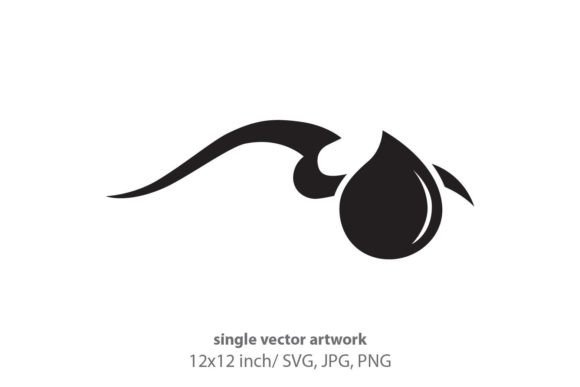
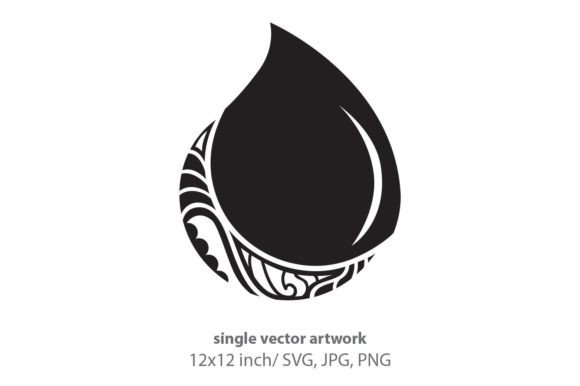
The core value of the Moon and Drop asset lies in its technical construction. Created using Adobe Illustrator, a industry-standard vector graphics editor, the file is not merely a static image but a mathematical representation of shapes and paths. This distinction is crucial for long-term usability. The artboard is set to a precise 12 x 12 inches, providing a square canvas that is ideal for social media avatars, icon sets, and balanced logo compositions. With a resolution capability of 300 DPI (dots per inch) in the RGB color palette, the source file ensures that every curve and line remains crisp, regardless of scaling.
The inclusion of multiple file formats—SVG, JPG, and PNG—addresses the diverse needs of modern digital and print workflows. The SVG (Scalable Vector Graphics) format is particularly vital for web developers and UI/UX designers. Because SVGs are code-based, they remain lightweight and infinitely scalable without pixelation, making them perfect for responsive web design where icons must look sharp on both mobile screens and 4K monitors. Conversely, the JPG and PNG formats serve immediate needs for raster-based applications, such as quick previews, social media posts, or documents where vector editing software is not available.
Strategic Integration into Creative Workflows
Integrating Moon and Drop into a project should not be an afterthought but a planned step in the pre-production phase. Whether you are developing a brand identity, creating marketing materials, or designing custom merchandise, the asset fits seamlessly into several stages of the creative lifecycle.
Pre-Production and Conceptualization
During the initial planning stage, designers often require placeholder graphics or mood board elements to visualize a concept. The Moon and Drop icon can serve as a central visual anchor. Its clean lines and balanced composition allow creators to test color palettes and layout structures before committing to final custom illustrations. By using a high-quality vector base, teams can avoid the common pitfall of replacing low-resolution placeholders later in the process, which often leads to layout shifts and additional revision cycles.
Execution and Customization
Once the project moves into execution, the vector nature of the file allows for extensive customization. Using Adobe Illustrator or compatible vector software, users can manipulate the anchor points, adjust stroke weights, or recolor elements to match specific brand guidelines. This flexibility is essential for maintaining consistency across different platforms. For instance, a marketer might need a monochrome version for a faxed invoice header and a full-color gradient version for a website hero section. Starting with the original vector file ensures that both derivatives maintain professional quality.
Post-Production and Asset Management
After the primary design is complete, the Moon and Drop asset can be repurposed for secondary materials. This is where the multi-format delivery becomes invaluable. The PNG file, with its transparent background, can be directly inserted into presentation slides, email signatures, or word processing documents without requiring further editing. This streamlines the handoff process between designers and non-design stakeholders, such as clients or internal management teams, who may not have access to professional design tools.
Practical Use Cases Across Industries
The versatility of the Moon and Drop graphic extends beyond traditional graphic design. Its application spans various industries and creative endeavors, offering tangible benefits in each context.
- Brand Identity and Logo Design: Entrepreneurs and small business owners can use the icon as a primary logo or a secondary brand mark. The vector format ensures that the logo looks equally professional on a business card and a large-scale billboard.
- Digital Marketing and Web Design: Bloggers and content creators can incorporate the SVG into their websites to enhance visual appeal without impacting load times. The clean aesthetic complements minimalist web designs, improving user experience and engagement.
- Print Media and Stationery: Publishers and stationery designers can utilize the high-resolution JPG or PNG files for printed paper items, including invitations, announcements, and handmade cards. The 300 DPI resolution guarantees sharp printing results, avoiding the blurriness associated with lower-quality web images.
- Product Design and Merchandising: Crafters and jewelry makers can apply the design to physical products. Whether printed on tote bags, engraved on metal jewelry, or used as a decal for party decor, the scalable nature of the original vector file ensures clarity at any size.
- Educational Resources: Educators and trainers can use the graphic in instructional materials, worksheets, and digital presentations. Its simple yet engaging design helps in illustrating concepts related to astronomy, night themes, or abstract artistic principles.
Ensuring Quality Control and Consistency
Maintaining quality control is paramount when using digital assets across multiple channels. One common error is converting vector files to raster formats too early in the workflow. To preserve the integrity of the Moon and Drop design, it is recommended to keep the original AI or SVG file as the "master" copy. All edits and modifications should be performed on this master file. Only when the design is finalized for a specific medium should it be exported to JPG or PNG.
Furthermore, color consistency can be challenging when moving between RGB (screen) and CMYK (print) color spaces. While the provided files are in RGB, designers intending to use the asset for print materials should convert the colors to CMYK within their design software to ensure accurate color reproduction. This step prevents unexpected shifts in hue, particularly in the subtle gradients or shadows that may be part of the Moon and Drop design.
Optimizing for Efficiency and Long-Term Use
For freelancers and agencies managing multiple clients, organizing digital assets efficiently saves significant time. Establishing a standardized folder structure for assets like Moon and Drop ensures that files are easily retrievable. Labeling files with clear version numbers and date stamps helps track changes and prevents the use of outdated iterations. Additionally, creating a library of commonly used modifications—such as pre-colored versions for specific brands—can accelerate future projects.
The longevity of the asset also depends on its adaptability to trending design styles. Because the Moon and Drop icon is based on fundamental geometric shapes and universal symbolism, it possesses a timeless quality. However, designers can keep it fresh by applying contemporary effects, such as glassmorphism, neon glows, or flat design principles, depending on current market trends. This adaptability ensures that the initial investment in the asset continues to yield returns over time.
Conclusion
The Moon and Drop vector package is a robust tool for anyone involved in visual communication. By understanding its technical specifications and integrating it strategically into your workflow, you can enhance both the quality and efficiency of your creative output. Whether you are designing a corporate logo, crafting handmade invitations, or building a responsive website, this asset provides the flexibility and precision needed to achieve professional results. Embracing such high-quality digital resources allows creators to focus less on technical limitations and more on innovative design solutions, ultimately driving better outcomes for their projects and clients.