Understanding the Pin Mother Board in Modern Technology: A Practical Guide for Designers and Makers
In the rapidly evolving landscape of digital creation and hardware engineering, the intersection of physical components and digital assets has created new opportunities for designers, engineers, and hobbyists alike. At the heart of many electronic projects lies the pin mother board, a critical component that serves as the central hub for connectivity and power distribution. However, for creative professionals working in graphic design, web development, and handmade crafts, the visual representation of these technological elements is equally important. High-quality digital graphics, such as vector artboards featuring motherboard schematics, pin layouts, and circuit patterns, have become essential resources for creating authentic, tech-inspired designs.
This article explores the dual nature of this topic: the functional role of pin mother boards in technology and the practical application of high-resolution digital clipart and vector files in creative projects. By understanding both aspects, you can make informed decisions about whether to focus on hardware integration or leverage digital assets for your next project.
The Functional Role of Pin Mother Boards in Technology
A pin mother board, often referred to simply as a motherboard or mainboard, is the primary printed circuit board (PCB) in general-purpose computers and other expandable systems. It allows communication between many of the critical electronic components of a system, such as the central processing unit (CPU) and memory, and provides connectors for other peripherals. The "pin" aspect refers to the numerous connection points that facilitate data transfer and power delivery.
When evaluating technology solutions, understanding the architecture of the mother board is crucial. Different form factors and pin configurations dictate compatibility with processors, RAM, and expansion cards. For engineers and DIY enthusiasts, selecting the right board involves analyzing pin density, signal integrity, and thermal management. A well-designed pin layout ensures efficient data flow and minimizes interference, which is vital for high-performance computing tasks.
However, not every project requires deep hardware engagement. For many users, the aesthetic and symbolic value of the mother board is more relevant than its electrical specifications. This is where digital representations come into play. High-fidelity images and vector files allow creators to incorporate the look and feel of advanced technology without needing to handle physical components.
Digital Assets: Vector Artboards and Clipart for Creative Projects
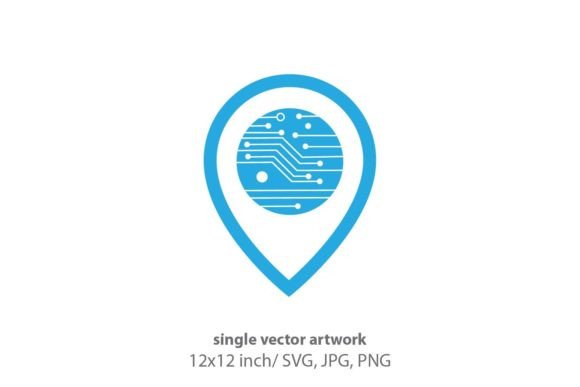
For graphic designers, web developers, and crafters, access to high-quality digital assets is paramount. Files featuring pin mother board imagery, available in formats such as SVG, JPG, and PNG, offer versatility and precision. These assets are typically created in vector programs like Adobe Illustrator, ensuring scalability without loss of quality. An artboard size of 12 x 12 inches at 300 DPI in RGB color palette provides a robust foundation for both digital and print applications.
Vector formats (SVG) are particularly valuable because they allow for infinite scaling. Whether you are designing a small icon for a website or a large wall art piece, the lines remain crisp and clear. This makes SVG files ideal for logo design, web graphics, and scalable illustrations. On the other hand, raster formats (JPG and PNG) are suitable for photographic realism and complex textures. PNG files, with their support for transparency, are excellent for layering elements in composite designs, while JPGs are optimal for web use where file size is a concern.
These digital graphics elements can be used to create a wide array of products:
- Logo Design: Incorporate circuit patterns to convey innovation and technical expertise.
- Wall Art: Create modern, industrial-style decor for offices and tech hubs.
- Handmade Craft Items: Use prints for decoupage, scrapbooking, or custom jewelry.
- Stationery and Invitations: Design tech-themed party invites, announcements, and greeting cards.
- Web and Graphic Design: Enhance user interfaces with authentic technological motifs.
Comparing Digital Formats: Choosing the Right File Type
When selecting digital assets for your project, understanding the differences between file formats is essential. Each format has distinct strengths and limitations that affect its suitability for specific use cases.
SVG (Scalable Vector Graphics): Best for logos, icons, and designs that need to be resized frequently. SVGs are code-based, making them lightweight and easy to edit in vector software. They are ideal for web design because they load quickly and remain sharp on all screen resolutions. However, they are not suitable for photorealistic images with complex gradients and shadows.
PNG (Portable Network Graphics): Ideal for designs requiring transparency, such as overlays and layered compositions. PNGs support lossless compression, preserving image quality. They are perfect for digital invitations, web banners, and print-on-demand products where background removal is necessary. The downside is larger file sizes compared to JPGs, which can impact web loading times if not optimized.
JPG (Joint Photographic Experts Group): Suitable for photographic images and complex illustrations with many colors. JPGs use lossy compression, reducing file size significantly. This makes them ideal for web galleries, email attachments, and social media posts. However, repeated editing and saving can degrade image quality, and they do not support transparency.
By comparing these options, you can choose the format that best aligns with your project requirements. For instance, if you are creating a logo for a tech startup, an SVG file is the superior choice due to its scalability. If you are designing a printed invitation with a detailed motherboard background, a high-resolution PNG or JPG may be more appropriate.
Practical Applications and Decision Factors
Deciding whether to focus on physical hardware or digital assets depends on your goals, resources, and target audience. Here are some scenarios to help guide your decision:
When to Focus on Physical Pin Mother Boards
If you are building a functional electronic device, optimizing computer performance, or learning about hardware engineering, investing time in understanding pin mother boards is essential. This path requires technical knowledge, tools, and safety precautions. It is suitable for engineers, IT professionals, and hobbyists interested in the mechanics of technology.
When to Leverage Digital Clipart and Vector Files
If you are a designer, marketer, or crafter looking to evoke a technological theme, digital assets are the efficient choice. Using pre-made vector files saves time and ensures professional quality. This approach is ideal for creating branding materials, decorative items, and digital content without the complexity of hardware implementation. It allows for rapid prototyping and iteration, making it suitable for tight deadlines and diverse creative projects.
Consider the following factors when making your choice:
- Project Goal: Is the objective functional (hardware) or aesthetic (design)?
- Technical Skill: Do you have the expertise to work with electronic components, or are you more comfortable with design software?
- Budget: Hardware projects can involve significant costs for components and tools, while digital assets are often affordable one-time purchases.
- Timeframe: Digital design can be completed quickly, whereas hardware assembly and testing may take longer.
Maximizing Value with High-Resolution Digital Assets
To get the most out of your digital graphics, ensure you are using files with the correct specifications. A resolution of 300 DPI is standard for print materials, ensuring sharpness and clarity. The RGB color palette is ideal for digital displays, but remember to convert to CMYK if you are printing professionally. Using an artboard size of 12 x 12 inches provides a square format that is versatile for social media posts, product labels, and square prints.
Additionally, leveraging layers in vector programs like Adobe Illustrator allows for customization. You can change colors, adjust line weights, and rearrange elements to fit your brand identity. This flexibility makes vector files a powerful tool for creating unique designs that stand out in a crowded market.
In conclusion, whether you are engaged in the technical intricacies of pin mother boards or utilizing their visual representation in creative projects, understanding the available options is key. By balancing functional needs with aesthetic goals, you can make informed decisions that enhance your work and deliver value to your audience. Choose the path that aligns with your skills and objectives, and leverage the right tools to achieve your desired outcome.