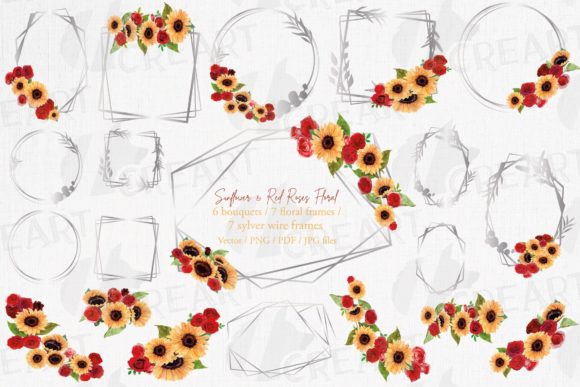
Vintage Ornament Border and Frame Guide
Visual hierarchy is the silent architect of effective design. It guides the eye, establishes importance, and creates a sense of order within chaos. At the heart of this structural elegance lies the Ornament Border and Frame. Whether you are designing a wedding invitation, structuring a social media post, or laying out a historical newsletter, these decorative elements serve as the visual handshake between your content and your audience. They do more than merely contain information; they contextualize it.
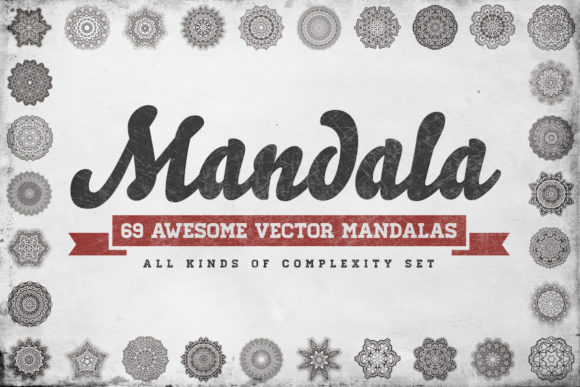
If you are looking for a Vintage vector for your project, this specific graphic asset might be exactly what you need to elevate your work. The appeal of vintage aesthetics is timeless, offering a bridge between nostalgia and modern clarity. This concept illustration is versatile enough for backgrounds, web graphics, social media materials, and print media. Understanding how to leverage these assets effectively can transform a amateur layout into a professional composition.
Understanding the Utility of Vintage Frames
An Ornament Border and Frame is not just a decorative line; it is a functional design tool. In digital and print media, borders define space. They tell the viewer where one section ends and another begins. When that border carries a vintage aesthetic—characterized by intricate flourishes, serif details, and classical symmetry—it also communicates tone. It suggests heritage, quality, elegance, or tradition.
The technical foundation of these assets matters significantly for workflow efficiency. High-quality resources typically come in fully editable formats such as Illustrator Ai CS2 and Eps10. This compatibility ensures that users working with Adobe Illustrator, CorelDraw, or other vector-based software can manipulate every curve and anchor point. Additionally, the inclusion of high-resolution JPEG files allows for immediate use in platforms that do not support vector editing, providing a seamless bridge between complex design work and quick deployment.
Perspectives from Different Creators
The value of a vintage frame varies drastically depending on who is holding the mouse. A one-size-fits-all approach rarely applies in design, so let us explore how different audiences evaluate and utilize these assets.
For Beginners and Hobbyists
If you are new to graphic design, the learning curve of creating intricate borders from scratch is steep. It requires a deep understanding of bezier curves, symmetry, and balance. For this group, the primary priority is ease of use and speed. A pre-made Ornament Border and Frame allows a beginner to achieve a polished look without spending hours on technical execution.
Consider a hobbyist creating a family recipe book. They may not have professional design skills, but they want the pages to feel special. By importing an EPS10 file into their software, they can resize the frame to fit their text box, change the color to match their theme, and instantly add a layer of sophistication. The key here is accessibility; the asset acts as a scaffold, supporting their creativity while hiding their technical limitations.
For Professional Designers and Freelancers
Experienced designers view these assets through the lens of flexibility and efficiency. Time is money. While a senior designer could draw a vintage frame from scratch, doing so for every client project is inefficient. They look for vectors that are clean, well-layered, and fully editable. The fact that the file is compatible with Illustrator Ai CS2 and CorelDraw is crucial, as professionals often switch between tools depending on client requirements.
A freelancer working on a branding package for a boutique coffee shop might use a vintage frame to structure the menu. They need to ensure the vector paths are smooth for large-format printing and that the colors can be easily converted to CMYK. For them, the value lies in the asset’s adaptability. They will strip away unnecessary details, recolor elements to match brand guidelines, and integrate the frame into a larger custom composition. The base asset saves them the initial heavy lifting, allowing them to focus on strategic design decisions.
For Marketers and Social Media Managers
In the fast-paced world of digital marketing, consistency and visual impact are paramount. Social media feeds are crowded, and stopping the scroll requires distinct visual cues. A vintage frame can create a recognizable template for quotes, announcements, or product highlights. Marketers prioritize assets that work well in both square and vertical formats.
Imagine a marketer running a campaign for a heritage clothing brand. They need to produce twenty variations of a post for Instagram Stories. Using a scalable vector frame ensures that the graphic remains crisp on high-resolution mobile screens. They might use the JPEG version for quick edits in Canva or Photoshop when time is tight, relying on the vector source only when major modifications are needed. The goal is rapid production without sacrificing brand integrity.
For Educators and Publishers
Educators and small publishers often work with limited budgets but high standards for readability and engagement. A textbook or a classroom handout benefits from clear visual boundaries. An Ornament Border and Frame can highlight key definitions, historical quotes, or important notices. Here, the priority is clarity and print reliability.
A history teacher creating a newsletter for parents might use a vintage border to frame the "Upcoming Events" section, subtly reinforcing the subject matter. Because the file is available in EPS10, they can ensure that when printed on standard office printers, the lines remain sharp and do not pixelate. The aesthetic adds a touch of authority and care to the document, making the information feel more valuable to the reader.
Evaluating Quality and Format
Not all digital assets are created equal. When selecting a vintage vector for your project, consider the following technical aspects to ensure long-term usefulness:
- Vector Scalability: Ensure the file is truly vector-based (AI or EPS). This allows you to scale the frame from a business card size to a billboard size without any loss in quality. Raster images (like low-res JPEGs) will blur when enlarged.
- Editability: Check if the paths are grouped logically. A well-structured AI file allows you to ungroup elements and modify individual flourishes. If the entire frame is a single, flattened object, its utility is severely limited.
- Compatibility: Verify that the format works with your software. While AI and EPS are industry standards, ensuring compatibility with older versions like CS2 or alternative software like CorelDraw broadens your options.
- Included Formats: Having both vector files and high-resolution JPEGs provides flexibility. Use vectors for master designs and JPEGs for quick web uploads or platforms that do not accept vector inputs.
Practical Application Strategies
To get the most out of your Ornament Border and Frame, think beyond simply placing text inside a box. Consider these creative applications:
- Layering for Depth: Place the frame behind your main image with a slight drop shadow to create a 3D effect. This works exceptionally well for product photography on e-commerce sites.
- Partial Usage: You do not need to use the entire frame. Crop specific corners or flourishes to use as standalone decorative elements in the margins of a document.
- Color Psychology: Change the frame color to evoke different emotions. Gold suggests luxury, black implies elegance, and muted earth tones convey rustic charm. The vector format makes recoloring instant and non-destructive.
- Text Integration: Allow text to overlap the border slightly. This breaks the rigid structure and creates a dynamic, modern look that blends vintage style with contemporary layout trends.
Ultimately, the decision to use a pre-made vintage frame comes down to your specific project goals. If you need speed and consistency, these assets are invaluable. If you require unique, bespoke artistry, they serve as a strong starting point for customization. By understanding the technical capabilities of formats like EPS10 and AI, and recognizing how different audiences perceive visual boundaries, you can make informed choices that enhance your creative output. Whether you are a freelancer billing by the hour or a student crafting a thesis, the right frame does more than decorate—it defines.